Ultimate Guide to Visiting Jerónimos Monastery (By a Certified Local Guide)
In short: Jerónimos Monastery is best visited early in the morning or with a skip-the-line guided tour, especially during peak season when queues can exceed an hour. A guided visit typically lasts around 2.5 hours, giving visitors enough time to understand the monastery’s history and architecture without feeling rushed. Most visitors spend between one and three hours at Jerónimos Monastery, depending on queues and whether they visit independently or with a guide.
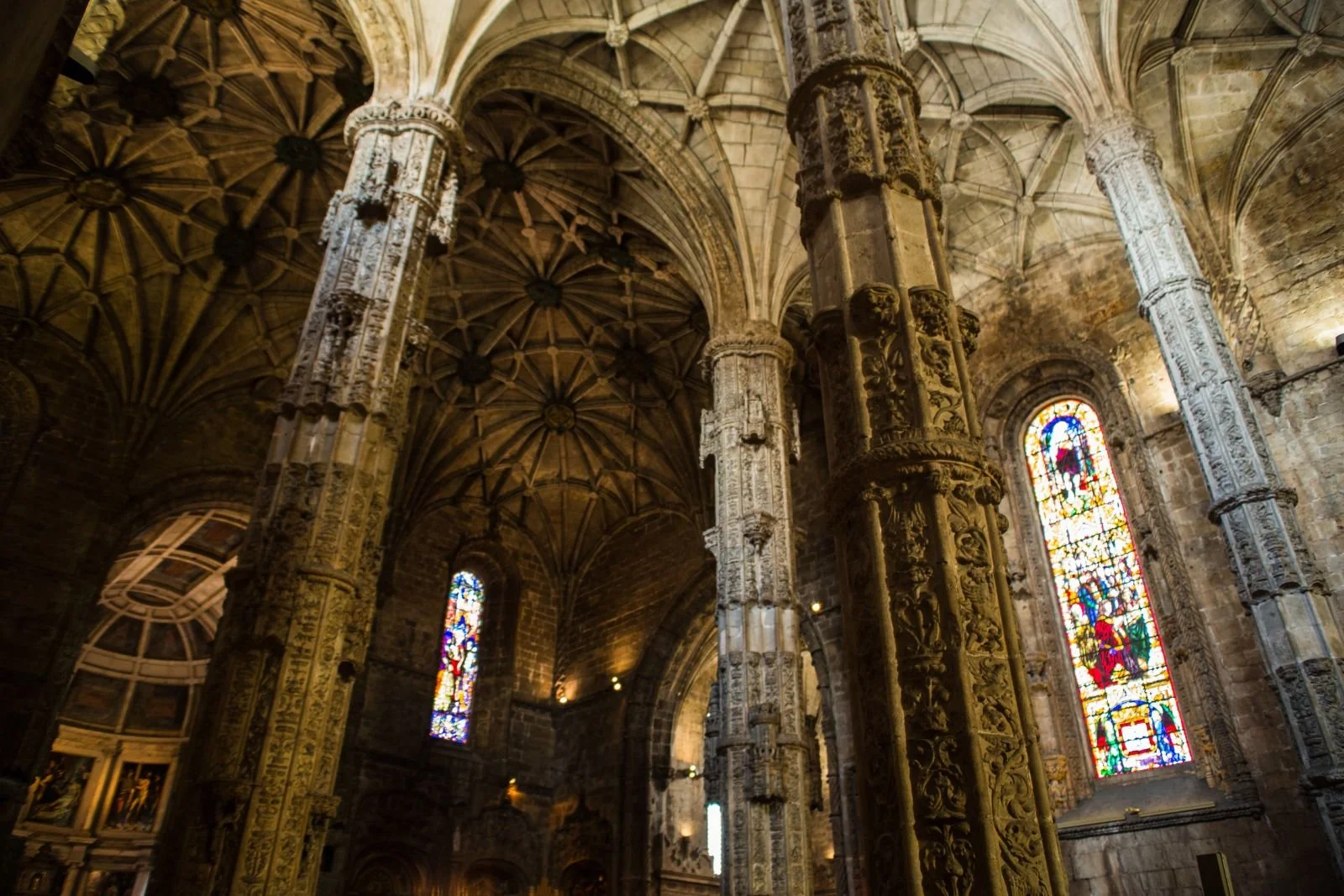
As someone who’s passionate about Portuguese history and culture, the Jeronimos Monastery is one of my absolute favourite places in Lisbon. It’s grand, impressively constructed, and has countless stories to tell. It’s truly symbolic of Portugal’s Age of Discoveries.
If you’re planning a visit to the Jeronimos Monastery for the first time, you probably have some questions – like what’s the best way to buy tickets, when is the best time to go, how do you get there, and so on. Well, you’re in luck, because as a certified local tour guide who has visited this majestic site literally hundreds of times, I have all the answers!!
In this guide, I’ll tell you what you need to know so you can get the most out of your visit to the Jeronimos Monastery. Put on your walking shoes, and let’s get into it!
What Is the Jeronimos Monastery?
The Jeronimos Monastery (Mosteiro dos Jerónimos) is one of Portugal’s most important historical landmarks and a UNESCO World Heritage Site, located in the Belém district of Lisbon.
Built in the early 16th century during Portugal’s Age of Discoveries, the monastery was commissioned by King Manuel I to celebrate the country’s maritime success and to give thanks for Vasco da Gama’s voyage to India. It was funded largely by the wealth flowing into Portugal from global trade, which explains its extraordinary scale and intricate detail.
Architecturally, the monastery is a masterpiece of Manueline style, a uniquely Portuguese form of late Gothic architecture. You’ll see carved maritime motifs throughout the building, including ropes, anchors, armillary spheres, and exotic plants.
Inside, the monastery is best known for its stunning two-storey cloister, the Church of Santa Maria de Belém, and the tombs of key figures in Portuguese history, including Vasco da Gama and poet Luís de Camões.
Is it Really Worth Visiting the Jeronimos Monastery? Or Can You Skip It?
I sometimes get this question, and my answer is simple: you can skip it if you want, of course! But you’d be missing out!
So, yes, it is well worth visiting, especially if you want to get to know Portuguese history and culture on a deeper level. Our culture is tied to the sea and to maritime exploration; it influences our cuisine, our literature and music, even our language. Beyond that, it’s a really beautiful and impressive UNESCO World Heritage site, the architecture is gorgeous, and there’s a lot to appreciate.
My personal opinion: No visit to Belem should be without the monastery.
Planning Your Visit
Let’s go through the practical information you need to plan your Jeronimos Monastery visit.
📍Where Is Jerónimos Monastery Located?
Jerónimos Monastery is located in Belém, a historic riverside district in western Lisbon, right along the Tagus River. It sits opposite the Praça do Império gardens and just a short walk from other major landmarks like Belém Tower and the Monument to the Discoveries.
Having lived in the area for quite a few years, I can tell you that it’s very charming. While the main street of Belém gets very crowded with tourists (especially in peak season), you also have so many nice things in close proximity. I’ll talk more later about other things to see and do in Belem, but for now, just know that it’s worth a day visit to see both the Monastery and the rest of the town.
🚶 How to Get to Jerónimos Monastery (Tram, Train, Bus, Walking)
The easiest way to reach Jerónimos Monastery is by public transport. Tram 15E from central Lisbon (Cais do Sodré or Praça da Figueira) stops nearby and is a popular option, though it can get crowded. Trains from Cais do Sodré to Belém station are fast and reliable, with the monastery about a 10-minute walk away.
Several bus lines also stop close to the monastery, and taxis or ride-hailing apps are convenient if you’re short on time. If you enjoy walking, a scenic riverside stroll from Cais do Sodré to Belém is doable in about an hour and a half and passes some nice viewpoints along the way. (This route is also great on a bike if you feel like renting one!)
I’ve written a complete guide to how to get to Jerónimos Monastery here if you want more details.
⏰ Jerónimos Monastery Opening Hours
Jerónimos Monastery is generally open daily, except on certain public holidays. Opening hours vary slightly depending on the season, with longer hours in spring and summer and shorter hours in autumn and winter. See the full opening hours here.
Last entry is typically about 30 minutes before closing, and it’s worth arriving earlier than that, especially during busy periods. Always double-check official opening times before your visit, as temporary closures or schedule changes do happen.
👥 Best Time to Visit Jerónimos Monastery (Avoiding Crowds)
The best time to visit Jerónimos Monastery is early in the morning, ideally right at opening time. Crowds build quickly, especially from mid-morning onward, as tour groups and day-trippers arrive from central Lisbon.
If mornings aren’t possible, late afternoon can be quieter, particularly outside peak season. Try to avoid weekends, public holidays, and free-entry days if you want a more relaxed experience: these are when queues are at their longest.
If avoiding long queues is a priority, I recommend reading my detailed guide on how to skip the line at Jerónimos Monastery and avoid the crowds.
⌛ How Long Do You Need at Jerónimos Monastery?
I recommend allowing at least 60 to 90 minutes to properly explore Jerónimos Monastery. This gives you enough time to walk through the cloister, admire the architecture, and visit the church without feeling rushed.
If you’re particularly interested in history or architecture, or visiting with a guide, you can easily spend longer. We run tours of 2.5 hours as we explore both the church and the cloister and delve deeper into the interesting stories and hidden symbolisms of the monument. So, it really depends on how you want to structure your visit.
Many people combine the visit with nearby attractions in Belém, so it’s best to plan for at least half a day in the area.
Tickets & Entry
Now for the getting-inside part. Let’s look at your options for buying tickets, getting the best prices, and skipping the crazy queues.
Jerónimos Monastery Tickets: Prices & Options
To visit Jerónimos Monastery, most visitors need a ticket to access the cloister, which is the main highlight of the monument. The church is free to enter, but the cloister requires a paid ticket and is where you’ll spend much of your time exploring the architecture and details.
Ticket prices are set nationally and are generally very reasonable for a UNESCO World Heritage Site. You’ll also find combined ticket options that include nearby attractions, which can be a good choice if you’re planning to spend more time in Belém.
Where to Buy Jerónimos Monastery Tickets
Tickets can be purchased online in advance or on the day at the ticket office near the monastery. Just note that, while buying on the day is possible, queues can be long, especially during peak season and late mornings.
To save time and avoid unnecessary waiting, I strongly recommend booking tickets online ahead of your visit. This gives you more flexibility with your schedule and helps you plan the rest of your day in Belém more efficiently.
Skip-the-Line Tickets: Are They Worth It?
During busy periods, skip-the-line tickets are absolutely worth considering. Jerónimos Monastery is one of Lisbon’s most visited attractions, and standard ticket queues can easily stretch to an hour or more.
Skip-the-line options allow you to bypass the main ticket queue and enter much faster, which is especially valuable if you’re visiting during peak season, on a weekend, or with limited time. Skip-the-line tickets are accessed by booking a tour with a professional guide – guided tours get priority entry into the monument.
If you’d like a smoother visit with guaranteed priority access, join our skip-the-line guided tour of Jerónimos Monastery, which includes both the church and the cloister.
Free Entry Days & Discounts
Jerónimos Monastery offers free entry on certain days, typically the first Sunday of the month for residents. However, these days are extremely popular and often come with very long queues.
Discounts may also be available for children, students, and seniors, depending on eligibility. Keep in mind that free or discounted days tend to be the busiest, so they’re best suited for visitors who are flexible with timing and don’t mind crowds.
What’s Included in Your Ticket (Church vs Cloister)
A standard ticket gives you access to the cloister, which is the heart of the monastery and the area most visitors come to see. This includes both levels of the cloister, with views into the church and plenty of architectural details to explore.
The Church of Santa Maria de Belém is free to enter and does not require a ticket, although there may still be a queue at busy times. If you want the full experience of Jerónimos Monastery, combining a church visit with a cloister ticket is highly recommended.
Visiting Jerónimos Monastery: With vs Without a Guide
Visiting without a guide is the most affordable way to see Jerónimos Monastery and works well for travellers on a tight budget or those who enjoy exploring independently. Visitors can purchase an entry ticket and move through the monastery at their own pace. However, during peak season, queues can exceed an hour, and the limited signage means much of the monastery’s history and symbolism may be easy to miss without prior research.
Visiting with a guide offers a more structured experience. Guided tours typically include skip-the-line entry, saving time during busy periods, and provide historical and cultural context that isn’t available through signage alone. A guided visit also helps visitors move through the monastery at a comfortable pace, making the experience easier for families, first-time visitors and those on a tight schedule.
In practical terms, independent visitors often spend less time inside the monastery but benefit from lower costs. Guided visits tend to last longer – around 2.5 hours in our case – but offer a deeper understanding of Jerónimos Monastery’s history, architecture and role in Portugal’s Age of Discoveries.
What to See Inside Jerónimos Monastery
Jerónimos Monastery is made up of several distinct spaces, each offering insight into Portugal’s Age of Discoveries. While it’s possible to walk through quickly, understanding what you’re looking at will make the visit far more meaningful!
✔️ The Church of Santa Maria de Belém
The Church of Santa Maria de Belém forms the spiritual core of the monastery and is one of the finest examples of Manueline architecture in Portugal. Despite its immense size, the interior feels light and unified, supported by elegant columns that rise into a richly vaulted ceiling.
Inside the church, you’ll find the tomb of Vasco da Gama alongside royal tombs connected to the reign of King Manuel I. Entry to the church is free, and even a short visit offers a powerful introduction to the monument’s historical and symbolic importance.
✔️ The Cloister (Upper & Lower Levels)
The cloister is the true highlight of Jerónimos Monastery and the main reason most visitors purchase a ticket. Spread across two levels, it is intricately carved with maritime motifs, religious symbols, and royal emblems that reflect Portugal’s global ambitions during the Age of Discoveries.
The lower level allows you to walk through the heart of the monastery, while the upper level offers beautiful views into the church and across the courtyard. Taking your time here is essential, as many of the most interesting details are subtle and easy to overlook.
✔️ Vasco da Gama’s Tomb
Vasco da Gama’s tomb is one of the monastery’s most significant features. As the explorer who opened the sea route from Europe to India, his achievements transformed Portugal’s place in the world.
The tomb is richly decorated with maritime imagery and symbols of exploration, serving as a lasting tribute to one of the most influential figures in Portuguese history.
✔️ Luís de Camões’ Tomb
Also located inside the church is the tomb of Luís de Camões, Portugal’s most celebrated poet and the author of Os Lusíadas. His epic work tells the story of Portugal’s maritime voyages and remains central to the country’s cultural identity.
Camões’ presence here highlights that the Age of Discoveries was not only about navigation and empire, but also about language, storytelling, and national pride.
✔️ Architectural Details You Shouldn’t Miss
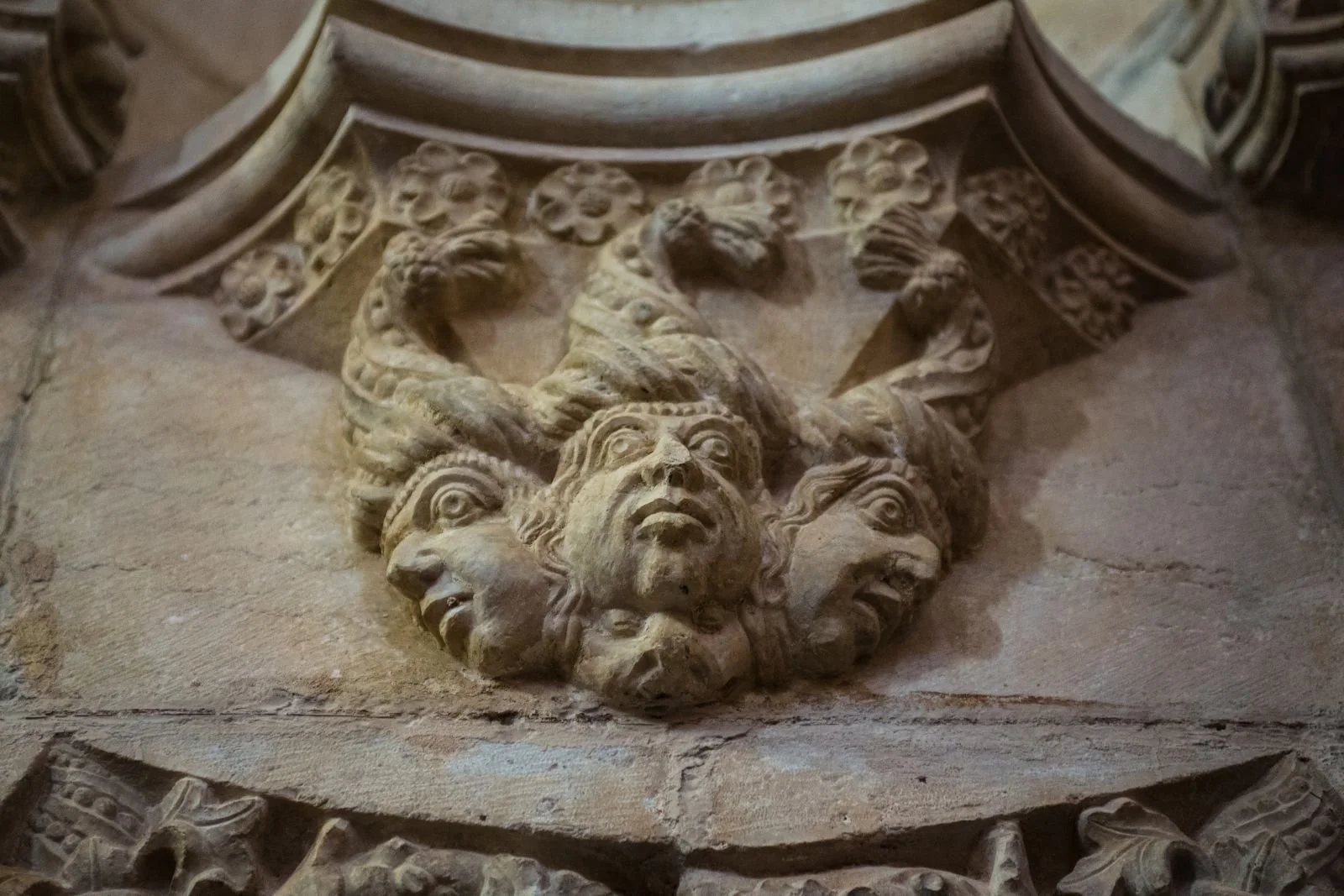
One of the joys of visiting Jerónimos Monastery lies in its details. Look closely and you’ll spot carved ropes, knots, armillary spheres, exotic plants, and maritime symbols woven throughout the stonework. We talk about these motifs and the meanings behind them in our tours.
These elements form a visual language that reflects Portugal’s seafaring past and royal power. Slowing down to notice them is what turns a good visit into a really memorable one.
Visiting Tips From a Local Guide
After guiding hundreds of visits to Jerónimos Monastery, there are a few practical things I always like visitors to know in advance.
👉 What to Know Before You Go
Jerónimos Monastery is one of Lisbon’s most popular attractions, so queues are common, especially from mid-morning onwards. I always recommend arriving early, ideally at opening time, or planning your visit for later in the afternoon when things tend to calm down slightly.
Security checks are mandatory, even if you have a ticket, so allow a little extra time. Also, restrooms and facilities are limited inside the monument, so it’s best to take care of basics before entering.
👉 Dress Code & Practical Rules
Because Jerónimos Monastery is an active religious site, visitors are expected to dress respectfully. That said, dress codes are generally not strictly enforced, and it’s mostly about using good judgement. For example, it’s fine to wear shorts or summer dresses that aren’t too revealing.
Large backpacks, bulky bags, and food are not permitted inside. I always suggest travelling light – it speeds up security checks and makes navigating the cloister much more comfortable.
👉 Is Jerónimos Monastery Suitable for Kids & Families?
Yes, Jerónimos Monastery can be a great visit for families, especially if children enjoy open spaces and visual details. The cloister, in particular, gives kids room to move while still feeling structured and safe.
That said, the visit is fairly architectural and historical, so younger children may enjoy it more with a bit of context. I find that pointing out carvings, animals, and maritime symbols helps keep them engaged. For families, I recommend keeping the visit shorter and pairing it with outdoor time in Belém afterwards.
This guide to visiting Belém with kids has a bunch of tips and recommendations on where to go and how to plan your day (based on my own experience as a parent and covering all the essentials like snacks, playgrounds and public bathrooms!).
👉 Accessibility Information
Jerónimos Monastery has made efforts to improve accessibility, but some areas remain challenging. The lower level of the cloister is generally accessible, while the upper level involves stairs and uneven surfaces.
If mobility is a concern, I always recommend focusing on the church and the lower cloister level, which still offer a rewarding experience. Staff are helpful on site, but access routes can change, so it’s worth asking upon arrival.
👉 Photography Tips & Restrictions
Photography is allowed in most areas of Jerónimos Monastery, including the cloister and church, but flash and tripods are not permitted. I always find that early morning or late afternoon light works best for capturing the stone details and arches.
For photos with fewer people, patience is key: wait a moment for groups to pass and focus on upward angles, details, and symmetry. Some of my favourite shots are of the cloister arches framed against the sky rather than wide crowd-filled scenes.
Guided Tours & Experiences
Visiting Jerónimos Monastery on your own can be enjoyable, but a guided experience adds depth and context that’s easy to miss without explanation. Whether a guide is right for you depends on how much you want to understand the stories behind what you’re seeing.
Should You Visit Jerónimos Monastery With a Guide?
If you’re interested in history, symbolism, and the meaning behind the architecture, visiting with a guide can really enhance your experience. I often see visitors walk straight past important details simply because they don’t realise what they’re looking at!
A guided visit also helps you make the most of your time, especially during busy periods, as professional guides receive priority entry. For first-time visitors, a guide can turn Jerónimos Monastery from an impressive building into a place full of stories and connections. Our tour guests regularly comment that they got much more out of their visit than they would have on their own.
Private vs Group Tours
Group tours are a great option if you’re looking for a structured visit at a lower cost. They follow a set route and timing, which works well for travellers who want clear guidance without too much flexibility.
Private tours, on the other hand, allow for a more personalised experience. I find these are especially popular with families, history enthusiasts, or travellers with limited time, as the pace and focus can be adapted to your interests.
Combined Tours (Belém Tower, Discoveries Monument, Pastéis de Belém)
Many visitors choose to combine Jerónimos Monastery with other highlights in Belém, such as Belém Tower, the Monument to the Discoveries, and a stop at Pastéis de Belém for the famous custard tarts.
These combined experiences offer a more complete picture of Lisbon’s maritime history and make excellent use of time in the area. If you’re interested in a tailored itinerary, we’re happy to create custom combined tours on request – simply get in touch to discuss your plans and interests.
Nearby Attractions in Belém
One of the great advantages of visiting Jerónimos Monastery is that many of Lisbon’s most important landmarks are within easy walking distance. I always recommend allowing time to explore Belém properly rather than treating the monastery as a standalone stop.
Belém Tower
Belém Tower is one of Lisbon’s most iconic monuments and a symbol of Portugal’s Age of Discoveries. Located along the river, it once served as a defensive fortification and ceremonial gateway to the city.
It’s possible to walk it from Jerónimos Monastery, and I find it’s best appreciated from the outside if you’re short on time, as interior queues can be long. Early morning or late afternoon are ideal for photos, especially when the light reflects off the Tagus River.
Monument to the Discoveries
The Monument to the Discoveries (Padrão dos Descobrimentos) celebrates Portugal’s explorers, navigators, and patrons of the Age of Discoveries. Its dramatic riverside location and sculpted figures make it one of the most striking landmarks in Belém.
You can visit the exhibition inside or take the elevator to the top for panoramic views. I always recommend stepping back to see the monument in context with the river and surrounding area – it’s designed to be seen from a distance and looks pretty cool.
Pastéis de Belém (Original Custard Tarts)
No visit to Belém is complete without a stop at Pastéis de Belém, home of the original Portuguese custard tart recipe dating back to the monastery itself.
Queues can look intimidating, but they usually move quickly. You can get some takeaway if you’re short on time, or sit inside if you want to rest your feet and enjoy the atmosphere after visiting the monastery. Manteigaria right nearby is a newer entry into the space, selling freshly made pasteis de nata – they don’t have the history of the original pasteis de Belém but are also very good and often have less queues if you want a quick custard tart fix.
MAAT & Nearby Museums
Belém is also home to several excellent museums, including MAAT (Museum of Art, Architecture and Technology), which contrasts beautifully with the historic setting of Jerónimos Monastery.
Other nearby options include the Museu de Marinha and the Museu Nacional dos Coches, both of which add further context to Portugal’s maritime and royal history. If you’re museum-minded, it’s easy to build a full afternoon in Belém.
Best Cafés & Restaurants Near Jerónimos
Belém has plenty of casual cafés and restaurants, making it an easy place to stop for a meal. I usually recommend keeping lunch simple, especially if you’re visiting multiple sites, and saving a longer sit-down meal for later.
You’ll find everything from traditional Portuguese cooking to lighter café options within a few minutes’ walk of the monastery. For typical Portuguese cuisine, try O Prado. If you’re after something a little hip and photogenic, Miolo is a popular choice.
For a relaxed break, I often grab something to go – like a baguette from Pão Pão Queijo Queijo or A Padaria Portuguesa – and sit in the gardens nearby. And if you’re craving a proper sit-down meal, La Follia, just a short walk up the street, is a great option for pizza.
Common Mistakes to Avoid
❌ Arriving at the Wrong Entrance
Jerónimos Monastery has separate entrances for the church and the cloister, and this often catches first-time visitors out. I regularly see people queuing in the wrong line, only to realise too late that they’re waiting for a different part of the monument. If you have a cloister ticket, make sure you’re in the correct queue before committing. It can save a lot of time and frustration.
❌ Underestimating Queue Times
Even outside peak season, queues at Jerónimos Monastery can be longer than expected. I always recommend building in extra time, especially if you’re visiting late in the morning or around lunchtime. Many visitors plan their day too tightly and end up rushing or missing other plans because of unexpected waits. Again, there’s also the option for skip-the-line tickets if you book with a guided tour.
❌ Visiting Only the Church
While the church is impressive and free to enter, visiting only the church means missing one of the most remarkable parts of the monastery. The cloister is where you’ll find the richest architectural detail and the most immersive sense of the site’s history. If time and budget allow, I strongly recommend including the cloister in your visit.
❌ Skipping Belém Altogether
Some visitors come to Jerónimos Monastery and leave straight afterwards, without exploring the rest of Belém. This is a missed opportunity. The area is home to several of Lisbon’s most important landmarks, and I always find that combining the monastery with a relaxed walk, a museum visit, or a stop for custard tarts makes for a far more enjoyable and balanced day.
FAQs About Jerónimos Monastery
Is Jerónimos Monastery Worth Visiting?
Yes — Jerónimos Monastery is absolutely worth visiting, especially if it’s your first time in Lisbon. It’s one of Portugal’s most important monuments and offers a deeper understanding of the country’s Age of Discoveries through its architecture, symbolism, and historical figures.
Even visitors who aren’t usually drawn to religious sites tend to find the monastery impressive, particularly the cloister, which is widely considered one of the finest in Europe.
Can You Visit Without a Ticket?
You can visit the church without a ticket, as entry to the Church of Santa Maria de Belém is free. However, access to the cloister requires a paid ticket, and this is the part of the monastery most visitors come to see.
If you’re short on time, visiting only the church can still be worthwhile, but to fully experience Jerónimos Monastery, a cloister ticket is strongly recommended.
Is Jerónimos Monastery Free on Sundays?
Free entry is usually available on the first Sunday of each month for residents, but these days are extremely popular and often come with very long queues.
I generally advise visitors with limited time to avoid free-entry days, as the experience can feel rushed and crowded compared to visiting on a regular day with a ticket.
Can You Buy Tickets on the Day?
Yes, tickets can be purchased on the day at the ticket office near the monastery. However, queues can be long, especially from mid-morning onwards and during peak season.
If possible, buying tickets in advance is the easiest way to save time and plan your visit more smoothly.
Is It Better to Visit Jerónimos or Belém Tower First?
If you’re visiting both in one day, I usually recommend starting with Jerónimos Monastery, especially early in the morning. The cloister is quieter at opening time, and you’ll have more energy to appreciate the details.
Belém Tower works well later in the day, particularly in the afternoon when the light along the river is beautiful. This order also helps spread out queues and makes for a more relaxed visit overall.
Summing Up…
I hope you found this guide to visiting the Jeronimos Monastery useful in planning your trip. As I said above, it’s a stunning site filled with history that no visitor to Lisbon should miss, and it’s really worth doing a half day or full day itinerary in Belem to experience the surrounding area.
If you have any questions, just let us know and we’ll do our best to help you out!